What is SEM?
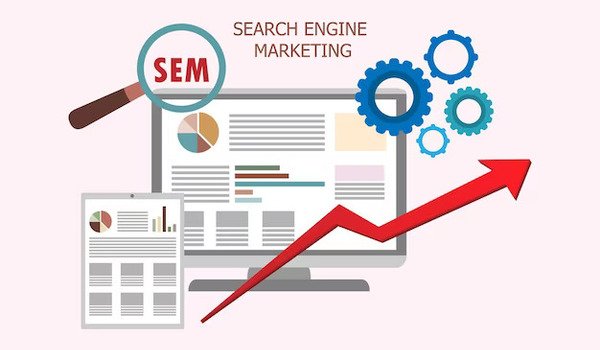
Search Engine Marketing, also known as SEM, is a Digital marketing strategy that involves promoting websites by increasing their visibility in search engine results pages through paid advertising.
Why SEM?
SEM is typically used when businesses want to quickly increase their online visibility and drive targeted traffic to their websites. It is especially useful for businesses looking to promote new products or services, run special promotions, or compete in competitive markets. SEM allows businesses to target specific keywords, demographics, and geographic locations to ensure their ads are seen by the right audience at the right time.
When and How Does a Brand Consider Using SEM?
Brands consider using SEM when aiming for quick visibility, increased traffic, or lead generation. Factors include timing, specific goals, competitive landscape, and integration with overall marketing strategy.
- Recognizing SEM’s Strategic Importance: For any brand aiming to thrive in the digital landscape, understanding the importance of search engine marketing (SEM) is essential. The decision to use SEM is multifaceted, requiring careful consideration of various factors to ensure its effectiveness.
- Timing for Maximum Impact: Timing is crucial when deciding to implement SEM. For emerging brands seeking quick online visibility, SEM can be transformative. Paid search ads can position a brand at the top of search engine results pages (SERPs), gaining immediate attention. Established brands can also benefit by maintaining their online dominance and driving targeted traffic through ongoing SEM efforts.
- Aligning with Goals and Objectives: The specific goals of a brand heavily influence the decision to use SEM. Whether the aim is to increase website traffic, generate leads, or boost sales, SEM can be highly effective. By targeting relevant keywords and optimizing ad campaigns, brands can attract users actively searching for their offerings, thereby maximizing conversion opportunities.
- Navigating Competitive Landscapes: In highly competitive industries, SEM can provide a significant advantage. By outbidding competitors for top ad placements, brands can enhance visibility and capture a larger market share. However, brands must assess the cost-effectiveness of SEM in their specific industry, considering budget constraints and potential return on investment.
- Integrating with Holistic Marketing Strategies: SEM should be a complementary component of a brand’s overall marketing strategy. It should work in tandem with search engine optimization (SEO), content marketing, and social media advertising. A cohesive approach ensures a robust and impactful online presence, maximizing the benefits of each marketing effort.